Alex Hoffmann · 2 September 2026
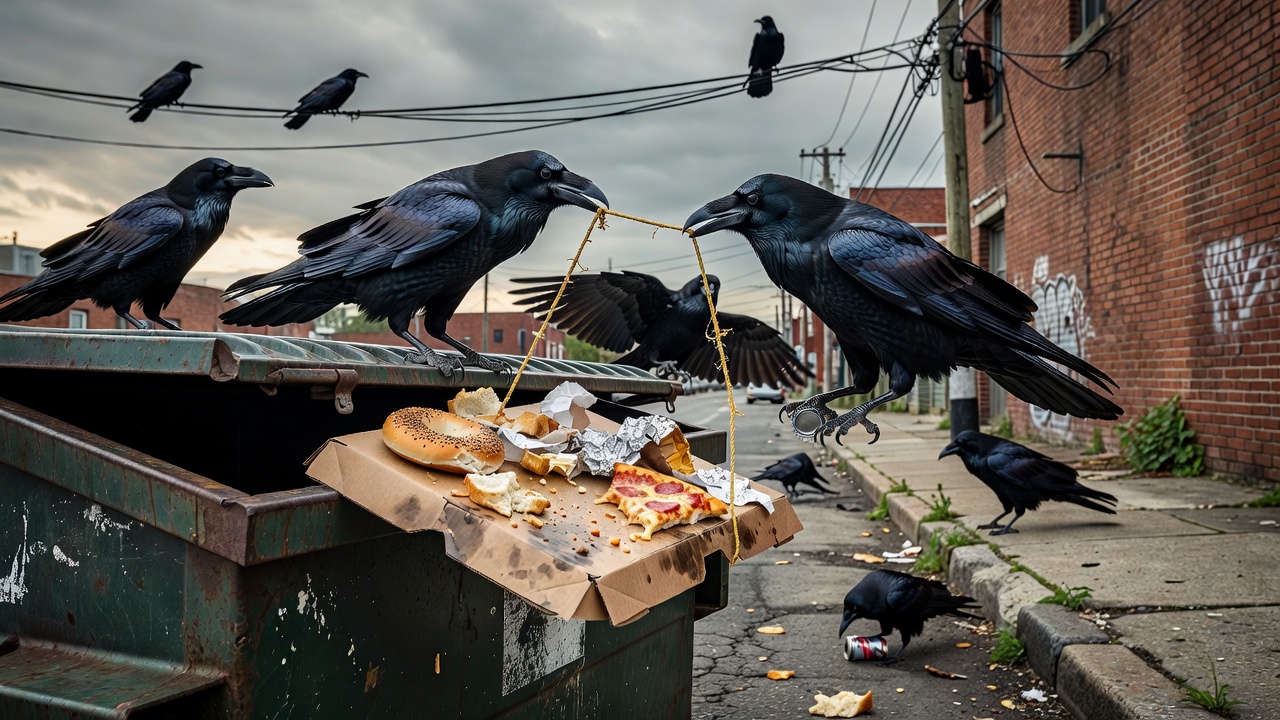
Observations across expanding metropolitan regions indicate that common ravens are rapidly evolving new methods to secure food resources. As cities encroach on former habitats, these birds exploit novel opportunities created by human infrastructure and waste streams. Researchers note increased instances of coordinated group actions and tool use tailored to urban settings.
Documented Adaptations in Metropolitan Zones
In cities such as Seattle and Vancouver, ravens have been recorded dropping hard-shelled nuts onto roads at traffic lights, then retrieving the cracked shells during red signals. This behavior has spread through social learning, with younger birds observing and replicating the tactic within weeks. Additional strategies include following waste collection vehicles to access unsecured bins and using building ledges to cache perishable items away from ground predators. Camera traps deployed near commercial districts reveal ravens manipulating plastic bags with their beaks and feet to extract food scraps, a skill absent in rural populations. These tactics appear linked to higher caloric intake during winter months when natural forage declines.
Studies tracking tagged individuals show that urban ravens maintain larger home ranges than rural counterparts, often traveling between construction sites for exposed soil invertebrates and restaurant back alleys for discarded meals. The birds also demonstrate selective avoidance of high-traffic zones during peak hours, suggesting spatial awareness of human routines. Such flexibility underscores corvid cognitive capacity to integrate environmental cues with learned sequences.
Broader Effects on Urban Ecosystems
City expansion supplies consistent food subsidies yet introduces hazards including vehicle collisions and poisoning from contaminated waste. Ravens that master these new foraging methods exhibit improved survival rates, potentially altering local population densities. Ecologists warn that concentrated scavenging may increase conflicts with residents and other species competing for the same resources. Ongoing monitoring programs aim to quantify how these behavioral shifts influence seed dispersal and pest control services traditionally provided by corvids. Continued urban growth is expected to accelerate further innovations as ravens encounter novel materials and food packaging.